

WHAT IS A
SALE-LEASEBACK?
In a sale-leaseback transaction, an owner/user elects to monetize its corporate real estate facility and structure a new, long-term lease on the property to an outside investor. In exchange, the company, through the sale of the facility, receives capital to grow and revitalize its business. The transaction has many benefits to the company, now tenant, as detailed below.
sale-leaseback considerations
The sale-leaseback strategy has become a highly sought-after tool for business owners, private equity firms, and M&A advisors as a means to maximize value and take advantage of arbitrage by monetizing corporate real estate assets within existing operating companies and potential acquisition targets.
The M&A process can often include the business and company owned real estate. Financial sponsors, business owners, and M&A advisors turn to Northmarq to provide optionality and maximize real estate proceeds.
Northmarq is also engaged in capital raise and restructuring assignments when there is an opportunity to leverage a sale-leaseback as an alternative source of capital.
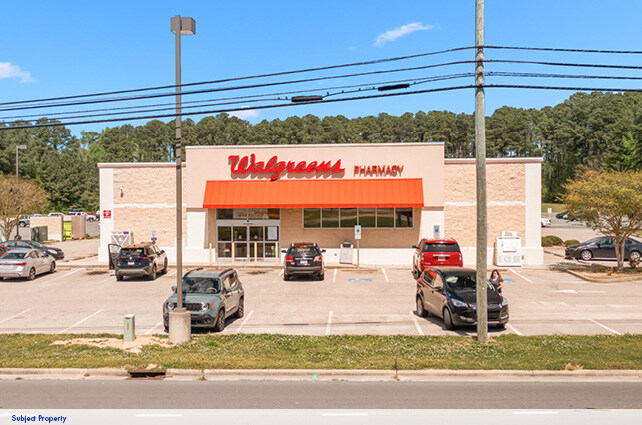
Walgreens
Roseboro, NC | Fee Simple
Price: $2,673,755 | Cap: 7.75%
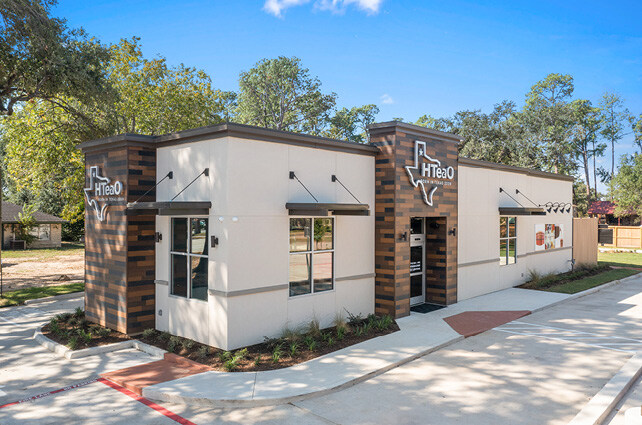
HTeaO
Katy (Houston), TX
Price: $2,296,912 | Cap: 6.25%
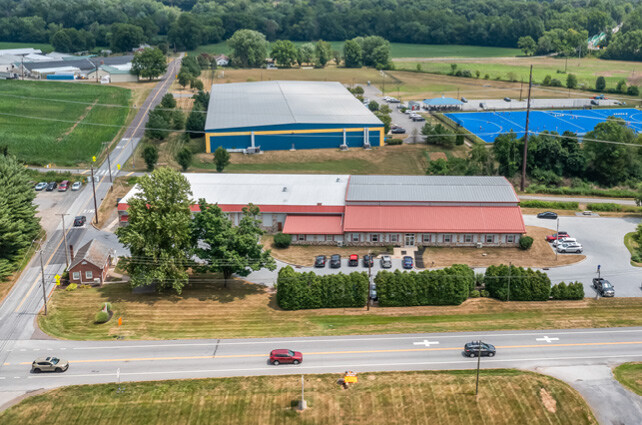
Longstreth Sporting Goods
Spring City, PA
Price: $1,760,000 | Cap: 7.50%
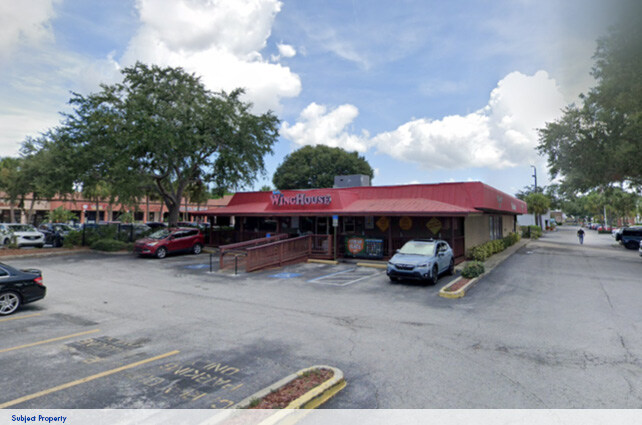
Vacant Restaurant
Palm Harbor, FL
Unpriced | Contact Broker
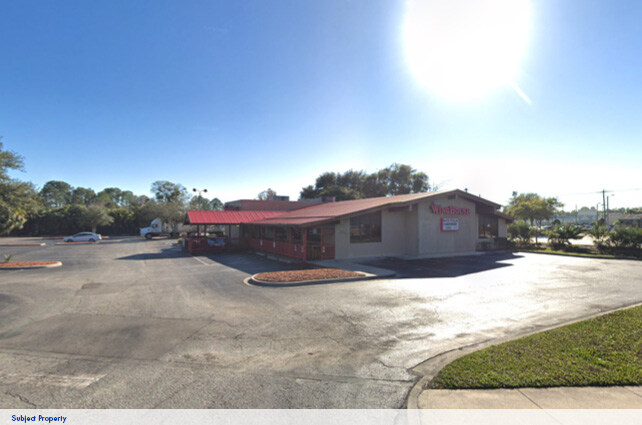
Vacant Restaurant
Sanford (Orlando), FL
Unpriced | Contact Broker
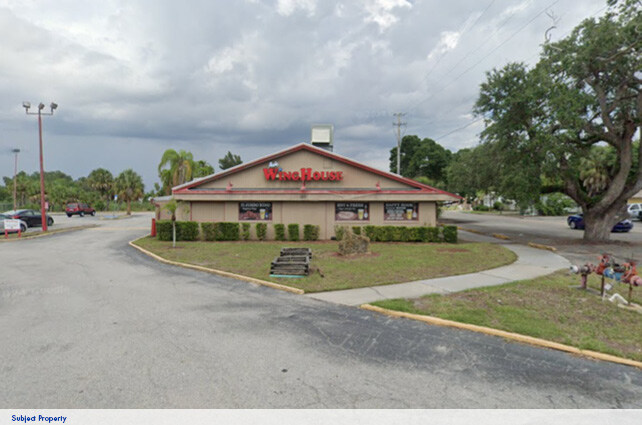
Vacant Restaurant
Bradenton, FL
Unpriced | Contact Broker
Why Execute a
Sale-leaseback?
- Higher and better use of capital
- Multiple arbitrage for value creation
- Balance sheet optimization
- Attractive financing alternative
Use of Sale-leaseback Proceeds
- Fueling growth and funding acquisitions
- Expanding footprint
- Buying equipment
- Dividend recap to sponsor
Benefits for M&A Transactions
- Accretive acquisition financing
- Reduce equity check for acquisition
- Bridge a valuation gap
- Provide holistic liquidity solution for seller
- Lower effective acquisition multiple
- Optionality
Methodology
A sale-leaseback strategy typically involves looking at the property from a multitude of directions. Each of the following must be completed in an effort to determine valuation and recommended lease terms while meeting Ownership’s objectives of: 1) Balancing net proceeds while establishing sustainable occupancy costs, 2) Ensuring the most efficient execution, and 3) Providing highest certainty of closing.
#1
Conduct industry and market analysis
- Analyze macro trends in the Industrial property market
- Evaluate cap rate and capital markets trends and projections
- Assess market cycle for Industrial properties and target markets
- Analyze buyer profiles for recent Industrial property transactions
#2
Determine rental rate
- Research rental rates and survey similar buildings in the market
- Consider the sale-leaseback market standard of at least 3x for Rent to EBITDAR coverage ratios
- Determine an achievable property rental rate based on the Property’s attributes and specifications
- Develop a starting base case using the mid-range of achievable property rental rates
#3
Establish lease term
- Consider Ownership’s goals and objectives
- Analyze transaction net proceeds vs. occupancy costs
- Evaluate market-acceptable terms in order to maximize pricing
- A longer lease typically translates into higher proceeds